クリティカルヒット:ライブアクション・ロールプレイと協働的ゲーム空間におけるニューロダイバージェントの豊かな成長 / Critical Hit: Live Action Role Play, Collaborative Game Spaces, and Neurodivergent Flourishing
*English follows Japaneseクリティカルヒット:ライブアクション・ロールプレイと協働的ゲーム空間におけるニューロダイバージェントの豊かな成長
大石あゆみ(ワシントン大学 人間中心設計工学専攻 修士)
ライブアクション・ロールプレイ(LARP、ラープ)という言葉を聞くと、多くの人は中世ファンタジーの衣装や模擬戦闘、あるいは物語の世界に没入するイベントを思い浮かべるかもしれません。しかし、その想像力豊かな世界の根底にあるのは、もっと本質的な営みです。それは、人々が社会のルールや人間関係、感情、アイデンティティを共に作り上げ、交渉していく場であるということです。
LARPは単なる娯楽ではありません。異なる人々が安全に新しい関わり方を試し、社会のあり方そのものを実験できる空間でもあります。
この可能性について議論したのが、ニューロダイバーシティ・ポテンシャル研究会最終回のウェビナーです。パデュー大学で障害とテクノロジーを研究するルア・M・ウィリアムズ(Rua M. Williams)さんがモデレーターを務め、メディア研究者のビョン=オーレ・カム(Björn-Ole Kamm)さんと、臨床心理士のエリザベス・キルマー(Elizabeth Kilmer)さんを迎えました。議論では、LARPのような協働的なロールプレイ空間が、どのようにニューロダイバージェントの「フラリッシング(flourishing:その人らしく能力を発揮し、豊かに生きること)」を支え得るのかが検討されました。重要なのは、違いをなくすことではなく、多様な認知やコミュニケーションのあり方が自然に存在できる環境を、いかに意図的に設計するかという点でした。
本稿は、2026年3月17日(日本時間3月18日)に開催された「ニューロダイバーシティ・ポテンシャル・スタディ・グループ(通称:NeuPoteKen)」第8回ウェビナーの対話とやりとりをもとに構成しています。
情報だけでは変わらない──「体験」が持つ力
今回のウェビナーでも特に印象的だったのは、カムさんが語った偏見とLARPの関係でした。
彼の研究は、心理学や心理療法ではなく、日本のロールプレイングゲーム文化やメディア研究から始まっています。ゲームやオタク文化を取り巻く社会的言説を研究する中で、彼はある重要なことに気づきました。
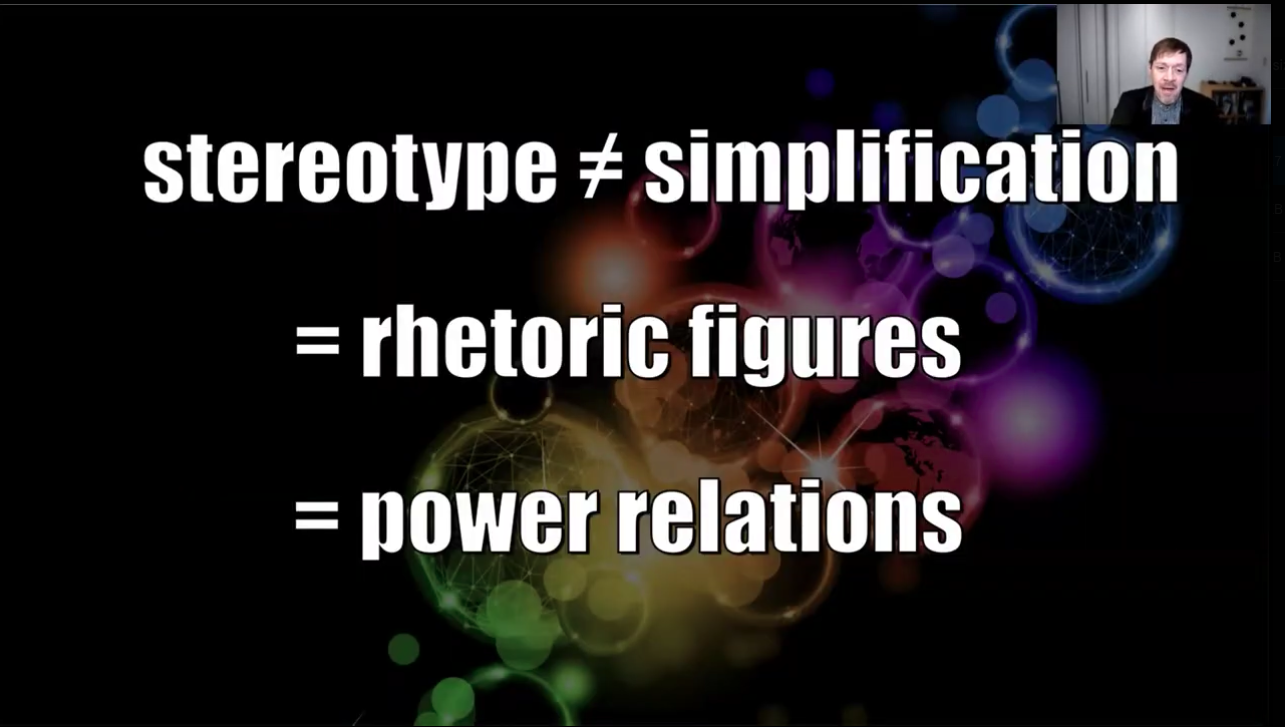
「偏見は、正しい情報を与えただけではなくならない」
「表象」や「他者化」をめぐる長年の批判的研究を踏まえ、偏見とは、正しい事実を示せば修正できるような単なる誤解ではない、と彼は論じています。むしろ偏見は、社会における権力関係と密接に結びついており、特定の集団を「他者」として位置づけるためのあり方でもあります。
そのため、単により正確な情報を提供するだけでは、既存の偏見を揺さぶったり、変化させたりする効果はほとんどない可能性があるのです。
では、本当の理解はどこから生まれるのでしょうか。
彼が提示した答えは、「一人称の体験」でした。
LARPでは、「ある人の人生とはこういうものだ」と説明する代わりに、参加者自身が異なる社会環境の中で生きる経験をします。物語の中で、不確実さや苛立ち、誤解、弱さ、協力、交渉といった出来事を、自分自身の経験として味わうのです。
カムさんはこう述べています。
「LARPは情報を与えるのではなく、感情を伴う一人称の体験を提供する」
重要なのは、ここで誰かが自閉症の人を演じるわけではないということです。
ニューロダイバージェントの当事者と共同で設計した教育用LARPでは、誰も「自閉症役」にはなりません。その代わり、参加者全員が、コミュニケーションのすれ違いや環境による困難を、メタファーとして体験します。
目的は、誰かになりきることではなく、異なる立場から世界を経験することなのです。
「別の社会」をデザインするということ
LARPの面白さは、まったく異なる社会を創り出せることにもあります。
カムさんは、LARPでは現実とは異なる価値観やルール、コミュニケーション様式を自由に設計できると説明しました。そこにはドラゴンや魔法だけでなく、私たちが当たり前だと思っている社会制度そのものを問い直す可能性があります。
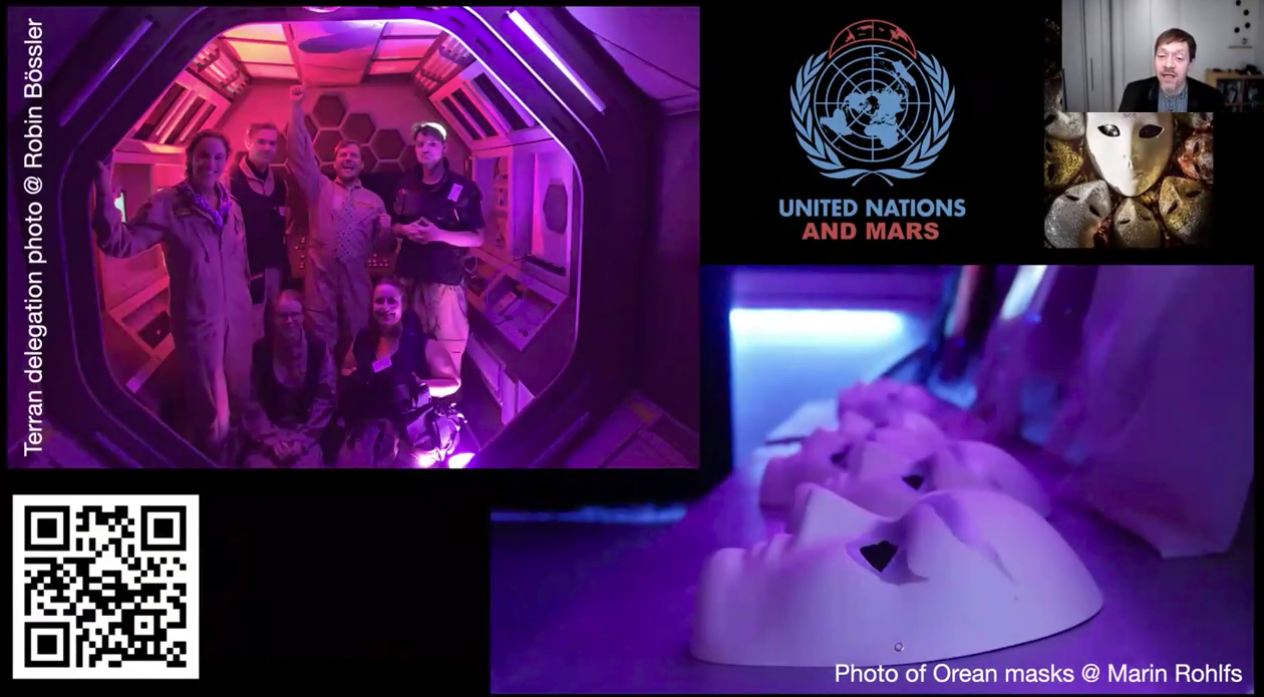
彼が紹介した例の一つが、ウルスラ・K・ル=グウィンの作品(『闇の左手』など)に着想を得た、2003年のスウェーデンのLARP『Mellan himmel och hav(Between Heaven and Sea)』です。
このLARPでは、「性別」という概念そのものが存在しません。その代わり、人々の社会的アイデンティティは、「どの月の下で生まれたか」によって構成されていました。
参加者は、ゲームの期間中その社会のルールの中で実際に生活することによって、自分たちが普段暮らしている社会とは根本的に異なる社会を体験します。つまり、「性別が存在しない社会」とはどのようなものかを、講義や説明を通してではなく、その社会を実際に生きる経験を通して理解していくのです。
この発想は、ニューロダイバーシティについて考える上でも重要な示唆を与えます。
これまでの支援・介入の多くは、ニューロダイバージェントな人が定型発達のコミュニケーションを学ぶことに焦点を当ててきました。
しかしLARPは逆の問いを投げかけます。
もし社会のルールそのものが変わったらどうなるだろうか。
個人が環境に適応するのではなく、環境の側を設計し直すこと。その発想は、近年のニューロダイバーシティ研究にも共通する考え方と言えるでしょう。
「分かりやすい社会」が人を支える
エリザベス・キルマーさんは、臨床心理士としての経験から、LARPが人を支える理由を別の角度から説明しました。
彼女は、トラウマを抱える当事者や退役軍人、そしてニューロダイバージェントの人々とロールプレイを用いた実践を行ってきました。その中で感じてきたのは、「LARPでは社会的なルールが明示される」ということです。
私たちの日常生活には、多くの暗黙のルールがあります。
相手の気持ちを察すること、境界線を空気で読むこと、どこまで話してよいかを推測すること。こうした「言われなくても分かるはず」という前提は、多くの人にとって負担となり得ます。
一方、LARPでは、遊びが始まる前に期待される行動や境界線、安全のためのルールについて、参加者全員で話し合います。
キルマーさんは次のように述べています。
「日常生活よりも、LARPではルールや期待について明確に話し合うことが前提になっています」
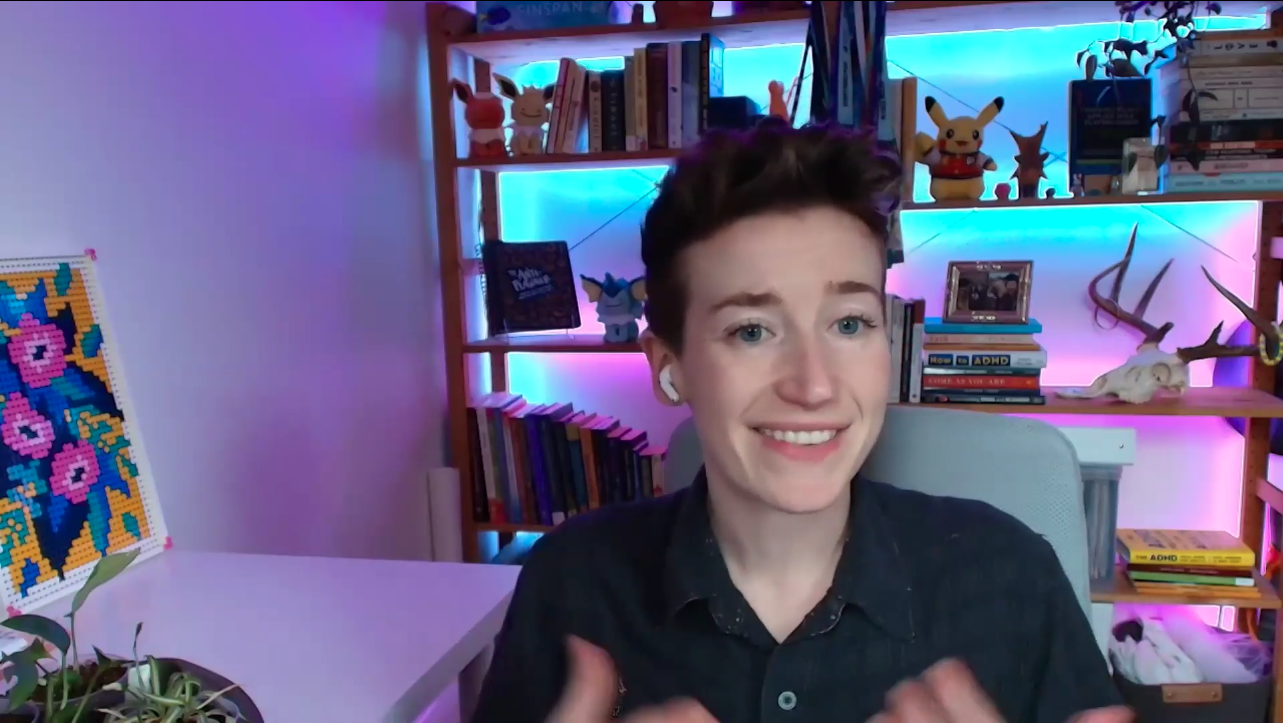
多くのニューロダイバージェント、すなわち普段のコミュニケーションのあり方が社会の主流と異なる人々にとって、この明示性は、曖昧な状況を読み解くために払い続けてきた見えない労力の多くを取り除きます。
同時に、定型発達の参加者にとっても意味があります。普段なら疑う機会のない社会的な「当たり前」を、あらためて問い直すよう促されるからです。
こうしてロールプレイは、単にコミュニケーションを練習する場ではなく、コミュニケーションそのものを設計し直す場になります。
雑談ではなく、「共通の関心」から始まる関係
もう一つ印象的だったのは、人間関係の築き方についての話でした。
私たちの日常では、まず雑談をし、お互いを知り、少しずつ信頼関係を築いていくことが一般的です。しかし、雑談そのものを苦手と感じる人は少なくありません。
一方、ロールプレイのコミュニティでは、異なる形で人間関係が築かれます。
参加者は、何気ない会話から関係を始めるのではなく、共通の目標や協働的なストーリーテリング、そして一緒に想像することを通して関わり始めます。まず、何か意味のあることを一緒にする。その後で、友情が自然に育っていきます。
キルマーさんは、ロールプレイでは「従来のスモールトークを経なくても、人間関係を築くことができる」と語りました。
この違いは小さなようでいて、大きな意味を持っています。
「周囲に合わせられる人だけが所属できる」のではなく、「何かを一緒に創ること」そのものが、居場所につながるからです。
「安全」は後付けではなく、最初から設計される
今回のウェビナーを通して何度も語られたのは、「LARPは最初からインクルーシブな場ではない」ということでした。
むしろ、その場が安心して参加できるものになるかどうかは、どれだけ意図的に設計されているかにかかっています。
私たちは「困った人がいたら支援する」という発想でアクセシビリティを考えがちです。しかし、多くのLARPコミュニティでは、問題が起きてから対応するのではなく、最初から誰もが安心して参加できる環境を設計することを重視しています。
カムさんは、現代のLARPではゲームが始まる前にワークショップを行い、安全のためのルールやコミュニケーション方法を参加者全員で共有することが一般的になっていると説明しました。例えば、キャラクターとして話しているのか、それとも本人として話しているのかを確認するためのハンドサイン、刺激が強くなったときに自由に休めるブレイクルーム、必要なときに相談できるスタッフやカウンセラーなど、さまざまな仕組みがあらかじめ用意されています。
その中でも印象的だったのが、
"No questions asked."
という考え方です。
誰かが休憩したいと思ったとき、その理由を説明する必要はありません。
刺激が強すぎたのかもしれない。
疲れてしまったのかもしれない。
感情的につらくなったのかもしれない。
その理由を証明しなくても、「休みたい」という意思だけで十分なのです。
これは小さなルールのように見えますが、実は大きな思想の転換でもあります。
支援を受けるために「困っていること」を証明するのではなく、支援を受けること自体が、誰にとっても自然なこととして設計されているのです。
カムさんは、こうした仕組みはニューロダイバージェントだけでなく、すべての参加者に利益をもたらすと述べています。つまり、安全性とは一部の人への配慮ではなく、コミュニティ全体を支えるインフラなのです。
「自分で頑張る」のではなく、お互いを支える
繰り返し語られていたもう一つの重要な考えは、人がよりよく過ごし、力を発揮するためには、個人のスキルだけでなく、互いに気遣い合う関係も欠かせないということです。
そのため、特にニューロダイバージェントの参加者からは、「Fear of Missing Out(FOMO:取り残されることへの不安)」を感じやすいという声も多く聞かれるそうです。
疲れていても、「まだ続けたい」「あのシーンを見逃したくない」と無理をしてしまうことがあります。
そこで多くの参加者は、信頼できる友人と一緒にイベントに参加します。
本人が気づかなくても、周囲が様子を見て、
「少し休んだほうがいいよ」
と声をかけるのです。
信頼関係があるからこそ、その助言を素直に受け入れられる。
ルアさんは、このようなコミュニティケアが、有害な人間関係から参加者を守る一つの力になり得ると指摘しました。互いの状態に気づき、必要に応じて支え合う文化があれば、孤立や不健全な関係性によって参加者が傷つきやすくなることを防ぎやすくなります。
アクセシビリティとは設備だけではありません。
互いの状態に気づき、自然に支え合える人間関係そのものもまた、インクルーシブな環境を構成する重要な要素なのです。
「遊ぶこと」と「学ぶこと」は同じではない
ウェビナーを通して繰り返し語られたもう一つの重要なテーマが、「デブリーフィング(振り返り)」でした。
カムさんは次のように述べています。
「遊ぶこと自体が学びになるわけではありません。体験そのもの以上に重要なのは、その後の振り返りです」
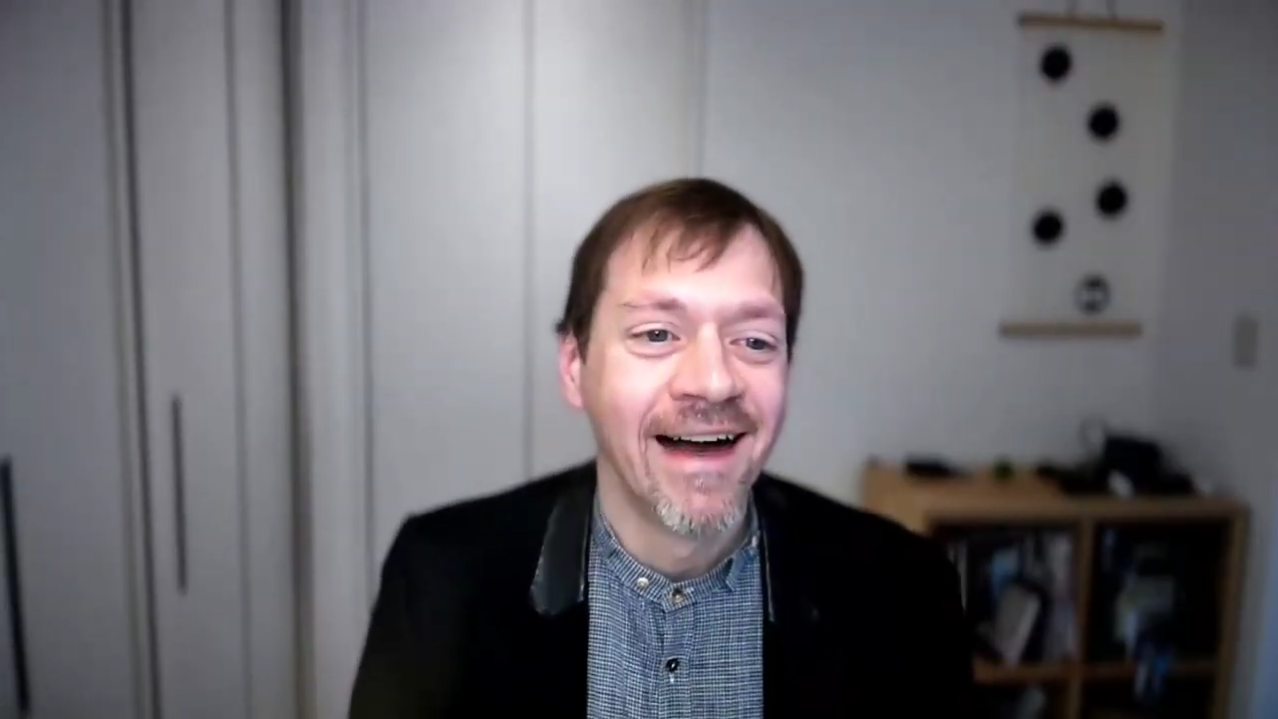
教育目的のLARPでは、ゲームが終わったあとに参加者全員で体験を振り返ります。
何を感じたのか、どこで誤解が起きたのか、なぜその場面が印象に残ったのか。
また、ニューロダイバージェントの参加者が、自身の経験と重ね合わせながら話すことで、物語の中で起きた出来事が現実社会とどのようにつながっているのかを考えていきます。
キルマーさんもまた、この振り返りの時間こそが学びを定着させる鍵だと説明しました。
自分だけでは気づかなかった視点を知り、他者との違いを理解し、「あの時こう感じた理由」が少しずつ見えてくる。
日常では聞きづらいことも、この場では自然に質問できます。
「どうしてあの時そう感じたの?」
「私はどんな思い込みをしていた?」
「私はこう受け取ったけれど、あなたはどうだった?」
こうした対話によって、単なる体験が、より深い理解へと変わっていくのです。
コミュニティにはリスクも存在する
一方で、今回のウェビナーはLARPを理想化するものではありませんでした。
どれほど魅力的なコミュニティであっても、設計や運営が適切でなければ、排除や心理的支配、さらには虐待が起こる可能性があります。
キルマーさんは、ゲームコミュニティにおける「過激思想の勧誘活動」の研究にも携わっています。
彼女は、ニューロダイバージェントだから過激思想に影響されやすいのではなく、孤立やいじめ、社会からの疎外感といった経験が積み重なることで、過激思想を持つ人々から、意図的に付け込まれる可能性があると説明しました。そのため、健全なコミュニティの仕組みが機能していなければ、ロールプレイの場を含むゲームコミュニティが、そうした勧誘の場となってしまう可能性があります。
カムさんもまた、LARPコミュニティ特有の課題について触れています。
特に印象的だったのが、比喩的に「Broken or Missing Stair(壊れた、あるいは欠けた階段)」と呼ばれる概念です。
コミュニティの中に問題行動を繰り返す人がいても、その人と直接向き合う代わりに、周囲の人たちがその人を避ける、いわば「壊れた階段をよけて歩く」ようにして問題をやり過ごしてしまうことがあります。その結果、本来対処されるべき有害な行動が、コミュニティの中で当たり前のものとして受け入れられてしまいます。
これはLARPコミュニティにおいて特に注意が必要な問題です。ロールプレイでは、プレイヤー本人とキャラクターとの境界が曖昧になることがあるからです。
例えば、誰かを傷つけたり相手の境界線を侵害したりするような行動について、
「やったのは自分ではなく、キャラクターだから」
と正当化されてしまうことがあります。
特に経験の浅い参加者や、曖昧な社会的状況を読み取ることが難しい参加者にとっては、どこまでがフィクション上のやり取りで、どこからが現実の境界線の侵害なのかを見分けることが難しくなる場合があります。
だからこそ近年のLARPコミュニティでは、「守る」こと以上に、「境界線とは何か」「どこまでがロールプレイで、どこからが現実なのか」を参加者全員が理解できるようにする教育やメタコミュニケーションが重視されるようになっています。
LARPは「より良い社会」を試す場所
今回のウェビナーを通して感じられたのは、LARPとは単なるゲームではないということです。それは、一つの「社会」をデザインする試みでもあります。
現実とは異なるルールを持つ社会を作り、その中で実際に生活してみる。
その体験を通して、
「当たり前だと思っていた社会のルールは、本当に唯一の答えなのだろうか。」
と問い直すことができます。
その意味で、ロールプレイは一種の参加型デザイン(participatory design)だと言えます。
ニューロダイバージェントな人に既存の環境へ適応し続けることを求めるのではなく、参加者全員に別の問いを投げかけるからです。
これは、教育にも、職場にも、医療制度にも、地域社会にも通じる視点です。
私たちの社会には、多くの「暗黙のルール」が存在しています。
しかし、そのルールは自然に存在しているものではなく、誰かが設計したものです。
そして、設計されたものであるならば、より多くの人が生きやすい形へと設計し直すこともできるはずです。
ウェビナーの最後には、こうした体験の影響がどれほど長く続くのかだけでなく、その体験を振り返ること自体が、一時的な経験を長く残る学びへと変えていくのではないか、という点についても話し合われました。
こうした長期的な影響については今も研究が続けられていますが、LARPが私たちに教えてくれる最大のことは、「現実から逃げる方法」ではないのかもしれません。
現実とは違う社会を一度体験することで、「より良い社会をつくれるのではないか」と想像する力そのものなのです。
ニューロダイバーシティ・ポテンシャル・スタディ・グループ(NeuPoteKen)は、ニューロダイバーシティやコネクテッド・ラーニングに関心をもつ日英両言語圏の研究者・実践者・デザイナー・政策決定者のコミュニティです。本活動は、東京のNPO法人ニューロダイバーシティ、千葉工業大学変革センター、コネクテッド・ラーニング・ラボ、コネクテッド・ラーニング・アライアンス、金子総合研究室、一般社団法人国際STEM学習協会、ファブラボ鎌倉などの連携のもと運営されています。参加希望・お問い合わせは info@neupote.orgまでご連絡ください。
Critical Hit: Live Action Role Play, Collaborative Game Spaces and Neurodivergent Flourishing
Ayumi Oishi (M.S. in Human Centered Design & Engineering, University of Washington)
When people hear the words live-action role-play (larp), they often imagine elaborate fantasy costumes, mock battles, or immersive worlds inspired by medieval fiction. Yet beneath these imaginative settings lies something much more profound: an environment where people collectively negotiate social rules, relationships, emotions, and identities. Rather than simply providing entertainment, larps offer a space in which participants can safely explore new ways of being with others.
This possibility formed the central theme of the final webinar of the Neurodiversity Potential Study Group (NeuPoteKen). Moderated by Dr. Rua M. Williams, a disability and technology researcher at Purdue University, the session brought together researcher Dr. Björn-Ole Kamm and clinical psychologist Dr. Elizabeth Kilmer. Their discussion explored how collaborative role-playing spaces can foster neurodivergent flourishing—not because they eliminate difference, but because they intentionally create environments where different ways of thinking, communicating, and relating become possible.
This article is based on the dialogue and discussions from the eighth webinar of the Neurodiversity Potential Study Group (NeuPoteKen), held on March 17, 2026 (March 18 in Japan).
Beyond Information: Why Experience Matters
One of the most compelling ideas introduced during the webinar came from Dr. Kamm's research on stereotypes and awareness-raising through larp.
His work began not in psychology or therapy, but in media studies and Japanese popular culture. Through studying role-playing games, stereotypes, and public discourse surrounding marginalized communities, he arrived at a simple but powerful realization.
"Stereotypes do not go away with correct information."
Drawing on a long tradition of critical work on representation and othering, he argues that stereotypes are not simply misunderstandings waiting to be corrected with facts. Instead, they are bound up with social power relations—ways of positioning certain groups as "other." Because of this, simply providing more accurate information may do little to unsettle them.
If information alone is insufficient, what might create genuine understanding?
For Dr. Kamm, the answer lies in first-person experience.
Rather than telling participants what life is like for another person, larp allows them to inhabit unfamiliar social situations themselves. Through carefully designed narratives, participants encounter uncertainty, frustration, misunderstanding, vulnerability, cooperation, and negotiation—not as abstract concepts, but as lived experiences.
As he explains,
"Instead of providing information, it provides first person experiences with emotional impact."
Importantly, these experiences are not simulations of specific diagnoses. In one educational larp co-designed with neurodivergent collaborators, nobody is asked to "play an autistic person." Instead, every participant encounters social environments that reproduce different communication barriers, conflicting expectations, and environmental challenges through metaphor.
The goal is not imitation, but perspective-taking.
Designing Different Social Worlds
Because larps create entirely new social worlds, they also create opportunities to question assumptions that are often invisible in everyday life.
As Dr. Kamm explained, role-playing spaces can imagine societies with completely different communication norms, values, or identities. Dragons and magic may exist, but so can entirely different systems of gender, authority, or social interaction.
One example he shared is the Swedish larp Mellan himmel och hav (2003, translated as Between Heaven and Sea), inspired by Ursula K. Le Guin’s work (cf. The Left Hand of Darkness), in which gender simply did not exist. Instead, social identities were organized according to the moon under which someone was born. Participants were therefore able to experience a society fundamentally different from their own—not through lectures, but by living within its rules for the duration of the game.
This flexibility suggests an important shift in thinking about neurodiversity.
Too often, interventions focus on helping neurodivergent people learn neurotypical communication styles. Role-play offers another possibility: changing the social rules themselves.
Instead of asking individuals to adapt, we can ask what happens when different communication styles become the norm.
This inversion reflects a broader philosophy of the neurodiversity movement and research. Rather than viewing inclusion as teaching individuals to fit existing systems, inclusion becomes a process of redesigning systems themselves.
Flourishing Through Explicit Social Design
Dr. Elizabeth Kilmer approached the discussion from another perspective: clinical psychology.
Drawing on years of experience using role-playing games therapeutically with trauma survivors, military veterans, and neurodivergent clients, she observed that role-playing environments often succeed because they intentionally make social expectations explicit.
Everyday social life frequently relies on invisible assumptions. People are expected to infer boundaries, intentions, conversational rules, emotional expectations, and interpersonal norms without anyone clearly stating them.
Role-playing communities work differently.
As Dr. Kilmer noted, these spaces increasingly emphasize explicit conversations about expectations, consent, boundaries, and safety before play even begins. Rather than assuming everyone shares the same social understanding, they collaboratively establish it.
This creates an environment that benefits not only neurodivergent participants but everyone involved.
She explained:
"There's also a greater expectation that we will talk about those norms and expectations than there is in everyday life."
For many neurodivergent people, whose communication styles may differ from prevailing social conventions, this explicitness removes much of the invisible labor required to interpret ambiguous situations.
At the same time, neurotypical participants also benefit from being invited to question social conventions they may otherwise take for granted.
Role-playing therefore becomes not merely a space for practicing communication, but for redesigning communication itself.
Interest Before Small Talk
Another insight Dr. Kilmer shared challenges common assumptions about relationship-building.
Traditional social interaction often begins with small talk—a conversational style that many neurodivergent people describe as exhausting or uninteresting.
Role-playing communities create relationships differently.
Participants begin not with idle conversation, but with shared goals, collaborative storytelling, and collective imagination.
People first engage in something meaningful together.
Only afterward do friendships naturally develop.
As Dr. Kilmer observed, role-play allows people to build relationships "without needing to engage in some of the more traditional small talk." Instead, shared interests become the foundation upon which trust gradually develops.
This distinction may appear subtle, yet it fundamentally changes how social participation becomes possible.
Rather than requiring conformity before belonging, belonging can emerge through collaboration itself.
Safety Is Not an Add-On—It Is Part of the Design
Throughout the webinar, one theme appeared repeatedly: Larp is not inherently an inclusive space. Rather, it becomes inclusive through intentional design.
While many discussions about neurodiversity focus on accommodations after problems arise, experienced larp communities often begin much earlier—by designing environments that anticipate human needs before play even starts.
Dr. Kamm described how many contemporary larps incorporate workshops before the game begins, where participants learn shared safety practices, communication techniques, and expectations. These practices include simple hand signals to check whether someone is speaking as a character or as themselves, designated break rooms where participants can step away without explanation, and on-site counselors available to provide support when needed.
One principle stood out in particular:
No questions asked.
If someone needs a break, they do not have to justify themselves. They do not need to explain whether they are overwhelmed, overstimulated, emotionally triggered, or simply tired. The community accepts that stepping away is sometimes the healthiest choice.
This seemingly small design decision reflects a broader philosophy. Instead of requiring participants to prove that they deserve support, support is treated as an ordinary part of participation.
Dr. Kamm noted that these practices benefit not only neurodivergent players but everyone involved. Safety, in this sense, is not an accommodation for a minority—it is infrastructure for a healthier community.
Community Care Instead of Individual Responsibility
Another recurring idea was that flourishing depends not only on individual skills but also on relationships of mutual care.
Many neurodivergent larpers, Dr. Kamm explained, describe struggling with fear of missing out. Immersive events are exciting, emotionally engaging, and filled with simultaneous activities. Participants may continue long after their physical or emotional energy has been depleted because they do not want to miss meaningful experiences.
Rather than placing responsibility solely on individuals to regulate themselves, many players attend with trusted friends who actively look after one another.
A friend might quietly notice signs of exhaustion and simply suggest:
"Hey, you should take a break."
Because this suggestion comes from an established relationship of trust, participants often feel comfortable accepting it.
This practice illustrates a subtle but important shift in thinking.
Dr. Williams described this kind of community care as a potential safeguard against harmful relationships. When people actively notice and respond to one another’s needs, the community becomes better equipped to resist the isolation and unhealthy dynamics that can otherwise make participants vulnerable.
Accessibility is not only about ramps, quiet rooms, or written instructions. It also emerges through social relationships in which people notice one another's needs and feel responsible for one another's well-being.
Experience Alone Is Not Enough
Although immersive experiences are powerful, both speakers repeatedly emphasized that experience itself does not automatically produce learning.
As Dr. Kamm stated plainly,
"Playing does not translate into learning. Much more important than the experience itself is the debriefing."
This insight distinguishes educational larp from simple simulation.
Following a role-playing experience, participants engage in structured reflection, discussing what happened, what surprised them, how they interpreted particular moments, and how those experiences connect to everyday life.
For educational larps exploring neurodiversity, these conversations are especially significant. Neurodivergent participants often join the discussion, relating elements of the fictional experience to their own lived realities. Rather than telling participants what they should have learned, facilitators help them make sense of experiences collectively.
Dr. Kilmer connected this process to broader learning science.
Reflection allows people to revisit events, compare perspectives, identify misunderstandings, and recognize growth that may otherwise remain invisible. Participants are encouraged to ask questions they might avoid in everyday life:
Why did that interaction feel uncomfortable?
What assumptions did I make?
How did someone else experience the same situation differently?
When creating space for these conversations, larp normalizes curiosity rather than certainty.
When Communities Fail
The webinar also resisted presenting larp as a perfect solution.
Like any social community, role-playing spaces can reproduce exclusion, manipulation, and abuse if they are poorly designed or poorly moderated.
Dr. Kilmer discussed her research on extremist recruitment in gaming communities, emphasizing that neurodivergent people are not inherently more susceptible to harmful ideologies. Instead, marginalization, loneliness, bullying, and unmet social needs can create vulnerabilities that extremist groups intentionally exploit. Gaming communities—including role-playing spaces—may therefore become recruitment environments if healthy community structures are absent.
Dr. Kamm highlighted different but related concerns.
One particularly striking example involved what is metaphorically referred to as a "broken or missing stair." Rather than confronting a participant who repeatedly behaves inappropriately, communities sometimes learn to quietly "walk around" that individual. The result is that harmful and toxic behavior becomes normalized instead of addressed.
This is of particular concern for larp communities, because role-playing also blurs the boundary between player and character. Someone may excuse harmful actions by saying, "It wasn't me. It was my character." For less experienced participants, especially those who struggle to interpret ambiguous social situations, distinguishing between fictional interaction and genuine boundary violations can become difficult.
For this reason, many contemporary larp communities increasingly emphasize explicit consent, meta-communication, and shared literacy around boundaries—not merely protection, but helping participants understand how different layers of interaction operate.
The discussion reminds us that flourishing is never guaranteed.
Communities become inclusive not through good intentions alone, but through continual attention to culture, accountability, and care.
Designing Different Futures
Perhaps the most compelling idea to emerge from the discussion is that larp is not simply about games.
It is about experimenting with society.
Within a fictional world, participants can imagine different communication norms, different social expectations, and different relationships between individuals and communities. They can experience—not merely discuss—what it feels like when assumptions change.
In this sense, role-playing becomes a form of participatory design.
Rather than asking neurodivergent people to continuously adapt to existing environments, it invites all participants to ask a different question:
What if the environment itself changed?
That question extends well beyond games.
Schools, workplaces, healthcare systems, and communities all rely upon invisible rules that shape who belongs and who struggles. Larp demonstrates that these rules are not fixed. They are designed—and therefore can be redesigned.
As the webinar concluded, participants reflected not only on how long the impact of these experiences might last, but on how reflection itself helps transform temporary experiences into lasting understanding. While researchers continue to investigate these long-term effects, our conversations suggested that larp's greatest contribution may not be that it allows people to escape reality.
It allows us to imagine—and briefly inhabit—a better one.
The Neurodiversity Potential Study Group (NeuPoteKen) is a community of researchers, practitioners, designers, and policy makers interested in cross-cultural dialogue between Japanese and English-speaking communities on topics related to neurodiversity and connected learning. It is part of an ongoing collaboration between the Neurodiversity NPO in Tokyo, Center for Radical Transformation at Chiba Tech, Connected Learning Lab, Connected Learning Alliance, Kaneko Lab, Global STEM Learning Association Japan and FabLab Kamakura. Please email info@neupote.org to inquire about joining NeuPoteKen.